
We went looking for users. We found leaders.
Haqdarshak is a social enterprise helping Indian citizens access government welfare schemes. They do this through a network of community agents (locally known as Haqdarshaks or HDs) who screen residents for eligibility and guide them through applications. We were engaged to deepen the agent-facing app, design a customer-facing microsite, and build a design system the team could grow with.
It is a meaningful operation. Welfare reaches people who would otherwise miss out, and it reaches them through someone they trust. To do justice to the work, we needed to understand the trust before we touched the product.
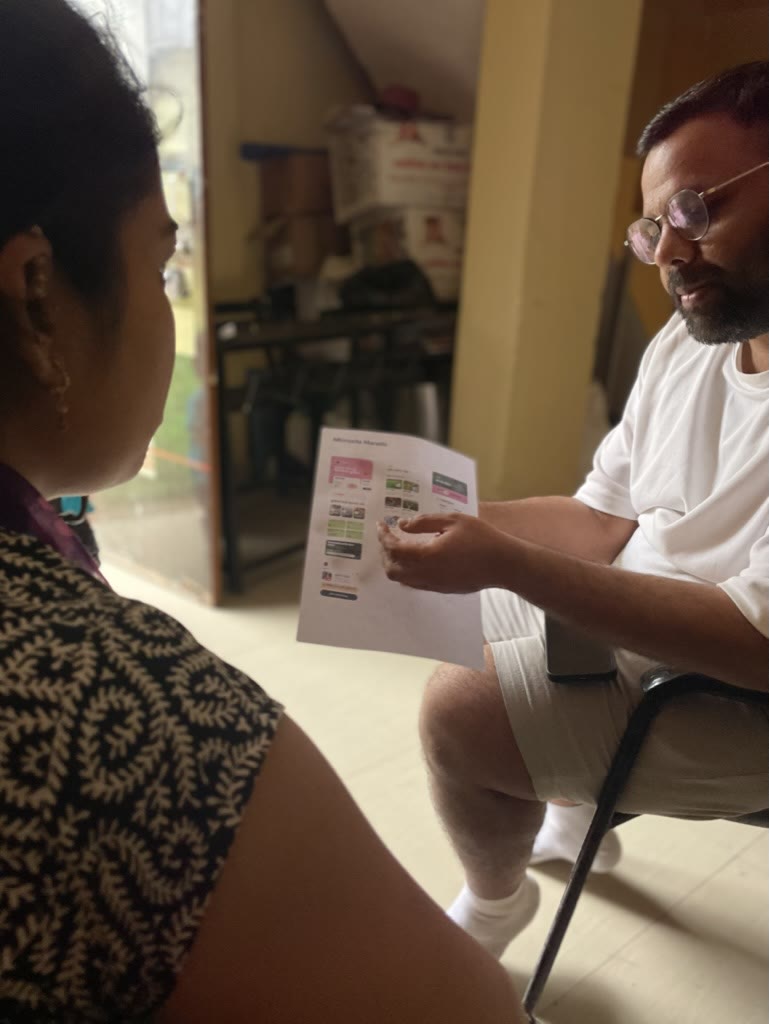
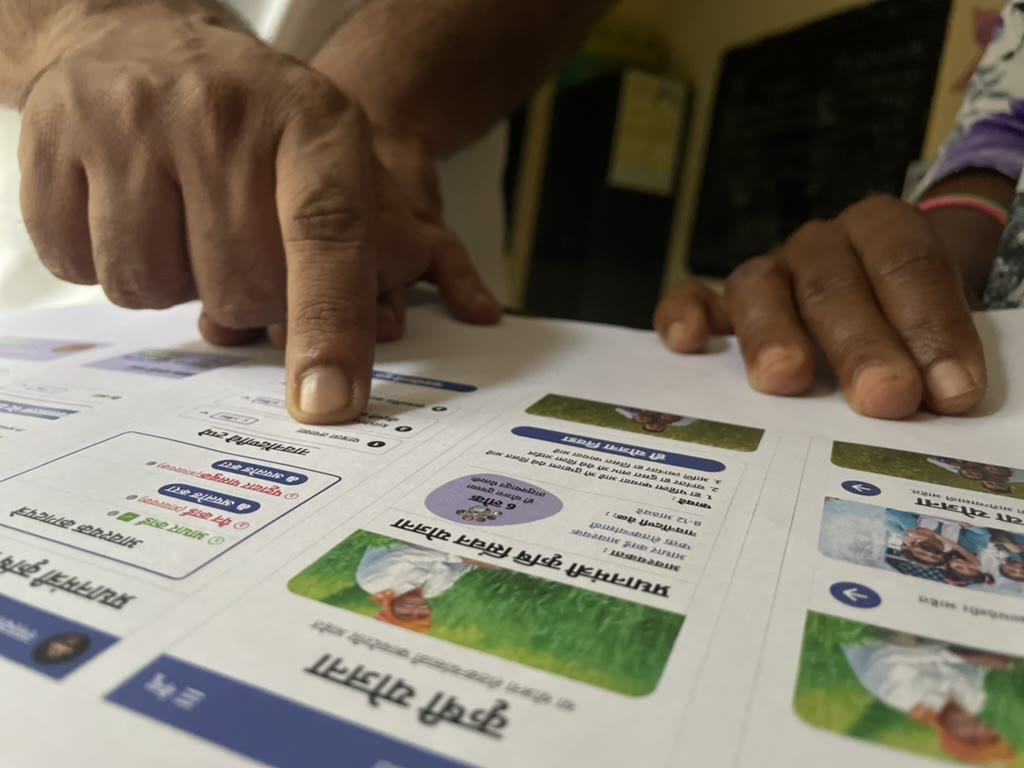
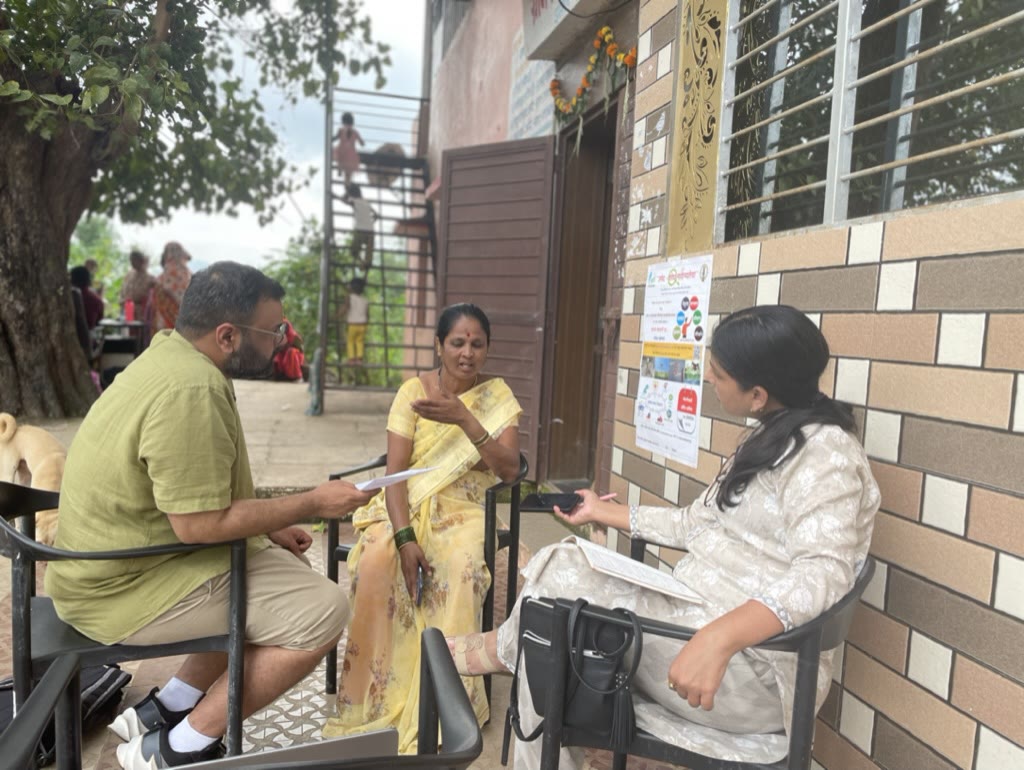
We went into the field and sat with agents in the communities they had grown up in or moved into long before Haqdarshak existed. The picture that emerged was richer than any brief could have captured.
Most agents were women. They led self-help groups. They organised savings circles. They were known to the panchayat. They had names with people, not customer numbers. And they carried, in their heads, most of the information a screening flow tries to collect from scratch: caste, ration status, family composition, occupation, history.
What looked like a distribution problem from outside was, on the ground, a trust network with its own logic. The most powerful asset the agent brought to a beneficiary was not the app. It was years of standing in the community. The product could either ride that asset or get in its way.
This was the reframe that shaped the rest of the project. The agent is not a delivery layer. She is the centre of a relationship the product can support, amplify, and protect.
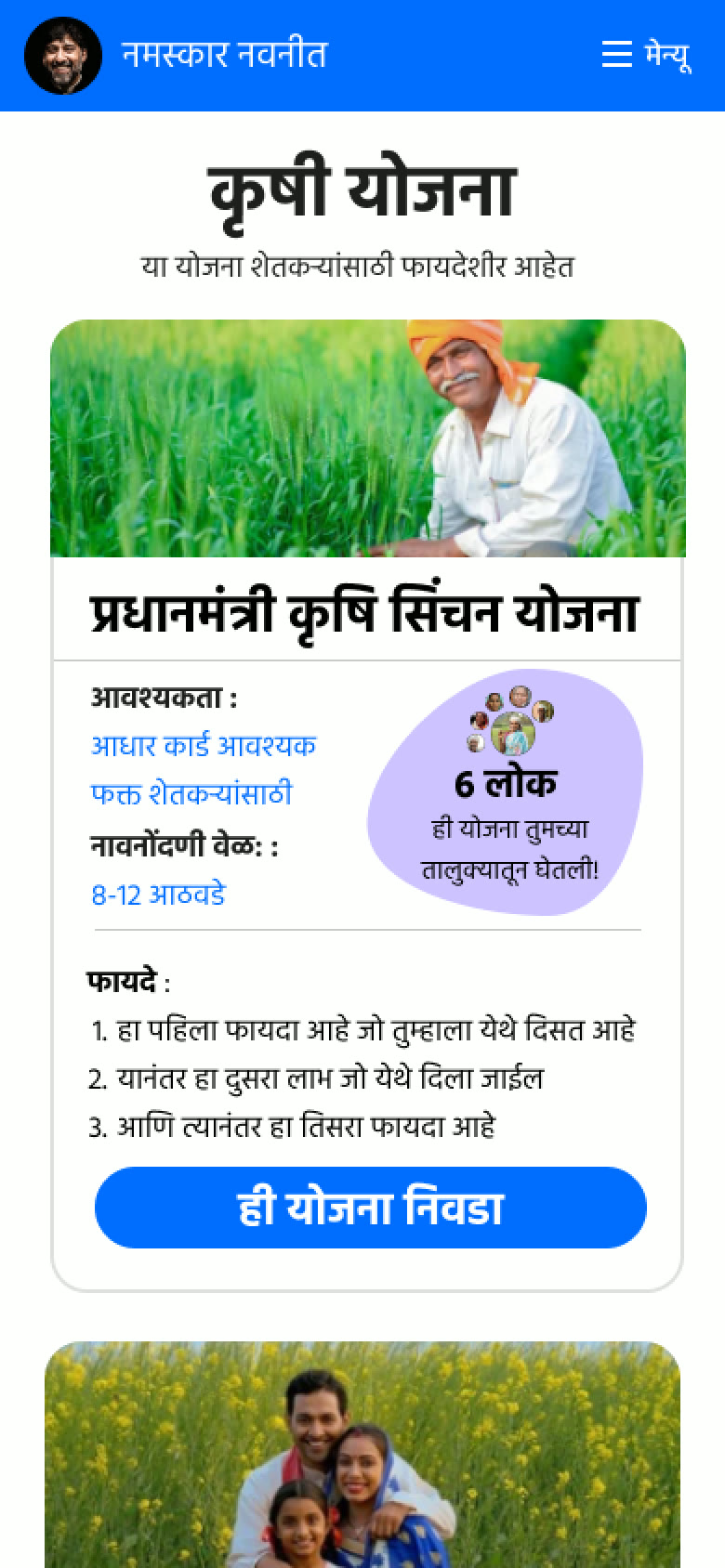
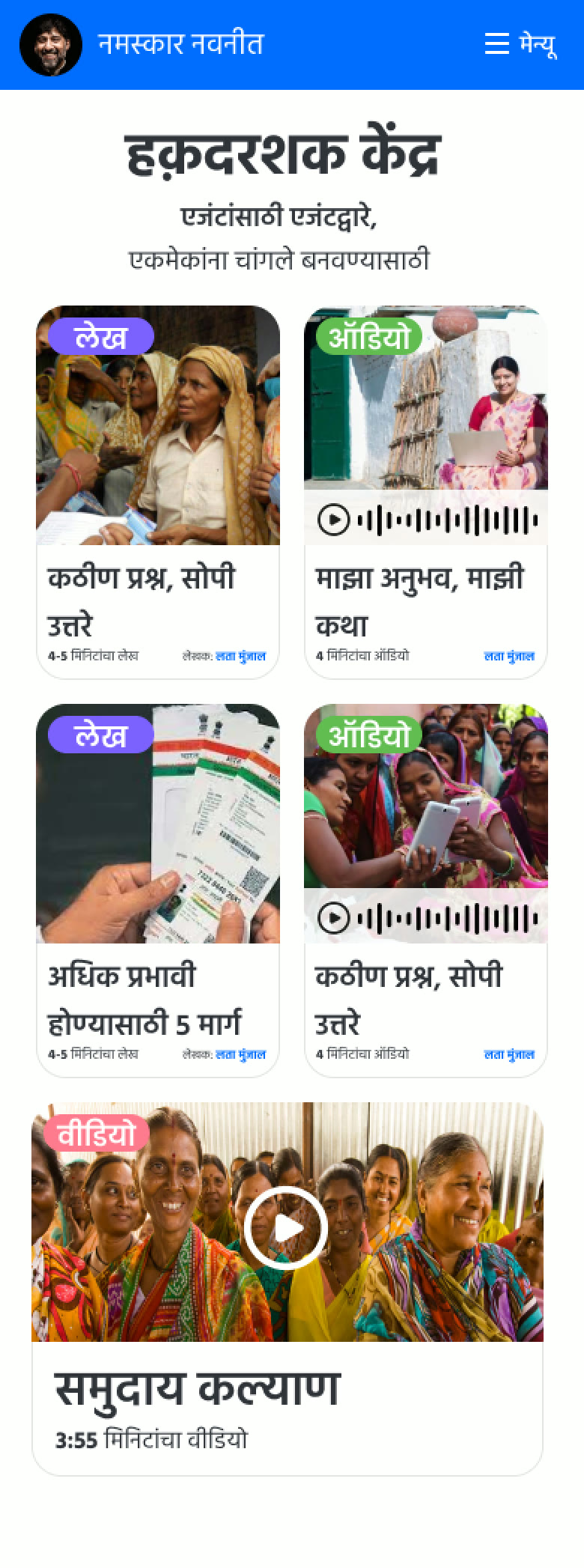
With this stance, the work split into three pieces.
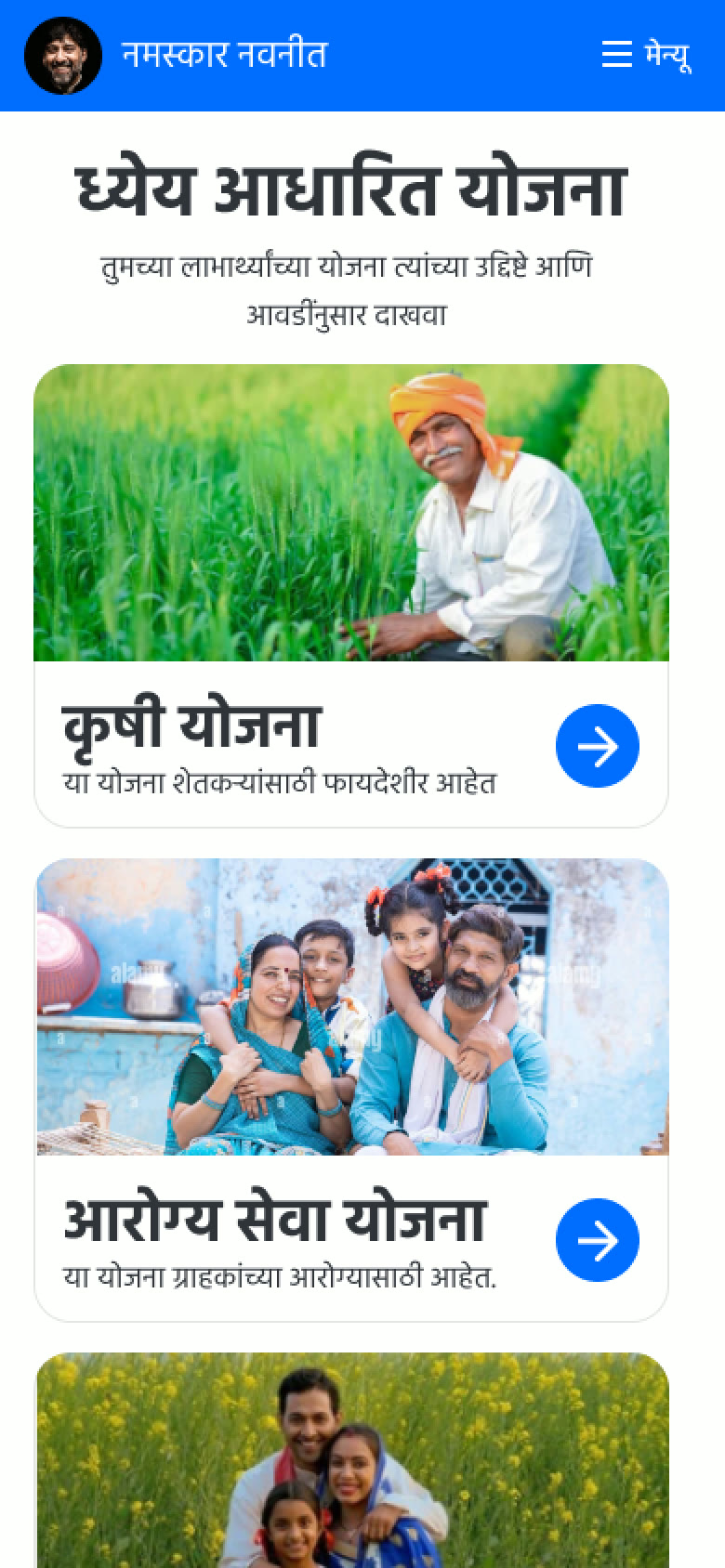
A customer-facing microsite, in local languages. A lightweight web experience that lets a community member see which schemes they qualify for, in the language they actually speak. The agent stays in the loop as a guide for moments when the customer gets stuck, but the customer is no longer fully dependent on the agent for basic visibility.
An onboarding flow for agents introducing new schemes. Government welfare is a moving target. New schemes appear, eligibility rules shift, deadlines change. We designed a flow that helps agents bring community members onto new schemes quickly and confidently, without losing the conversational rhythm that makes their work effective.
A design system, grounded in the principles we'd learned in the field. The system carries components, but it also carries the stance: build on what the agent already knows, support trust before transactions, design for off-app moments as much as on-app ones. It gives the next team a way to keep decisions aligned with the community even as the product evolves.
We tested these concepts back in the field, with real agents and real community members, before finalising. Some assumptions held. Others got rebuilt. The project earned its shape through that loop.
Last-mile design is often discussed as a delivery problem: how do you get the service to the people who need it? This project taught us to ask a different question first. Who is already there? Whose authority does the community recognise? What is the existing system of care?
When you start there, the product stops trying to create value on its own. It becomes the thing that makes existing value travel further. That is a quieter ambition, and a more honest one for work that touches people's lives.